Why You Can't Place Asbestos in Your Typical Bin
You can't put asbestos in your typical container because it's a dangerous product with serious health and wellness and ecological threats. Disposing of it in common waste containers is illegal, because family collections and land fills aren't furnished to include its dangerous fibers. Asbestos has to be dealt with and carried by certified experts to approved facilities, complying with strict legal guidelines. Neglecting these regulations risks severe charges and public damage. Locate out just how to protect yourself and take care of asbestos securely with relied on, compliant practices.
Takeaways

What Is Asbestos and Why Is It Unsafe?
When you discover asbestos, you're managing a group of naturally taking place minerals when widely utilized in construction for their warm resistance and strength. Asbestos background spans years, with comprehensive usage peaking in the mid-20th century before its carcinogen were completely understood. The mining effects of asbestos removal were significant— both eco and for employee security— launching fine fibers right into the air, dirt, and water. If you breathe in these fibers, they can lodge in your lungs, creating diseases like asbestosis, lung cancer, and mesothelioma. Regulatory bodies worldwide currently identify these threats, mandating strict controls on managing and disposal. Recognizing asbestos history and mining effects aids you appreciate the seriousness of exposure and underscores why adhering to legal needs is essential for your safety and security and conformity.
Why Can't You Put Asbestos in the Bin?
Tossing asbestos in your normal container isn't just dangerous— it's illegal under the majority of policies. Asbestos fibers can quickly become air-borne if disturbed, posturing extreme health risks not just to you, however also to waste handlers and the more comprehensive area. You might believe it's safe if double-bagged, but that's one of the common asbestos myths. Typical family bins and garbage dump websites aren't designed to include or deal with contaminated materials like asbestos. asbestos garage removal Regulations call for unique handling and disposal to avoid contamination and exposure. That's why there are strict guidelines regarding using bin alternatives— specialist asbestos disposal solutions and licensed waste centers. Neglecting these requirements isn't simply dangerous; it can additionally cause legal penalties. Always adhere to appropriate procedures to maintain everyone risk-free and compliant.
What Takes place If You Get Rid Of Asbestos Incorrectly?
If you dispose of asbestos incorrectly, you're not simply damaging the legislation— you're threatening public health. Asbestos myths frequently lead people to undervalue the dangers, yet incorrect disposal reveals others to harmful fibers. Regional authorities treat this as a severe violation, levying penalties and lawsuit. You may likewise be accountable for increased disposal costs if removal is needed.
Threat
Repercussion
Health and wellness Danger
Direct exposure to airborne fibers
Legal Penalty
Fines or prosecution
Ecological Impact
Contamination of land/water
Boosted Expenses
Extra cleanup/remediation fees
Don't think percentages are safe— laws use regardless of amount. Disregarding the appropriate networks does not just save prices; it multiplies your dangers. Always follow main standards to stay clear of severe consequences, and don't succumb to asbestos myths that downplay its threats.
How Does Asbestos Harm Individuals and the Atmosphere?
When asbestos is interrupted, you risk launching tiny fibers right into the air, which can create serious breathing conditions if inhaled. Improper handling or disposal doesn't just intimidate human wellness— it can likewise infect dirt and water, bring about broader ecological hazards. It's crucial to comply with all regulative standards to decrease these risks.
Airborne Fibers Cause Condition
Breathing in airborne asbestos fibers subjects you to considerable wellness threats, as these microscopic fragments can come to be lodged in lung cells and continue to be there for several years. When you interrupt asbestos-containing materials, you increase the threat of fiber breathing, which is straight linked to illness like asbestosis, lung cancer, and mesothelioma. Governing bodies require rigorous airborne tracking in workplaces and throughout asbestos elimination tasks because even minimal exposure can be hazardous. You can't depend on visual assessment alone— airborne fibers are unnoticeable and continue the air without correct control. here Safeguarding on your own and others implies purely complying with regulative guidelines, utilizing authorized personal protective equipment, and ensuring all elimination or handling is handled by certified professionals. Prioritizing safety decreases your opportunity of creating asbestos-related conditions.
Environmental Contamination Risks
Although asbestos is most notorious for its carcinogen, its ecological influence positions severe threats as well. When you get rid of asbestos improperly, fibers can leach right into the soil, leading to soil contamination. This contamination isn't just a neighborhood concern— it can persist for decades, influencing whole ecological communities. Plants can absorb asbestos fibers, presenting contaminants into the food chain and influencing wild animals exposure. Pets that consume or inhale contaminated products might suffer from respiratory or gastrointestinal problems, comparable to people. Regulative bodies strictly control asbestos disposal due to the fact that even low-level environmental contamination can come to be a substantial risk over time. By recognizing these dangers, you'll see why asbestos should never go in your regular container— proper dealing with shields not simply individuals, yet the atmosphere also.
What Are the Legal Guidelines for Asbestos Disposal?
Because asbestos is a dangerous material purely regulated by government and state firms, you'll need to follow particular legal requirements for its disposal. Asbestos legislation requireds that just licensed experts can handle and carry asbestos waste. You can not just place it in your normal container or blend it with home rubbish. Instead, asbestos must be double-bagged in authorized containers, plainly classified, and required to a licensed disposal facility. Stopping working to abide by these laws can result in severe disposal fines, consisting of substantial fines and even criminal fees. Regulative companies may likewise call for in-depth documentation to track the asbestos from elimination to its last disposal website. Ignoring appropriate treatments isn't simply prohibited— it reveals you and others to major wellness and environmental risks.
Exactly How to Spot Asbestos in Your Home
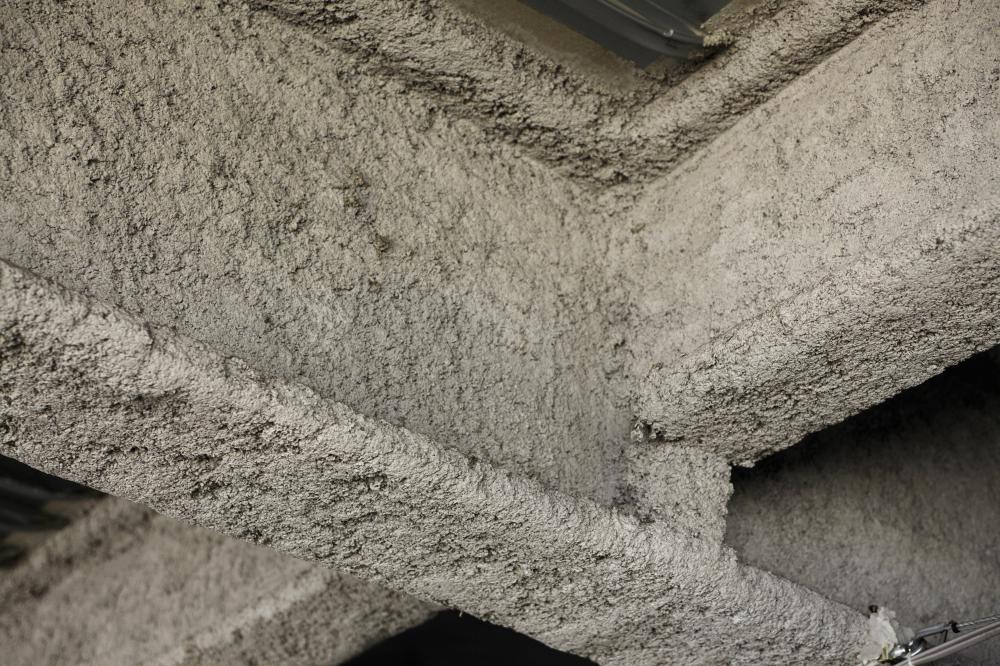
When you lay out to identify asbestos in your house, concentrate on materials commonly set up prior to the 1980s, such as insulation, flooring ceramic tiles, textured paints, and concrete items. Pay attention to old insulation around pipelines, boilers, or attic rooms, as these usually had asbestos fibers. Textured ceilings— often called “popcorn ceilings”— may likewise consist of asbestos, particularly if they were applied before governing bans.
Don't count entirely on aesthetic examination; asbestos can't be verified without lab evaluation. Nevertheless, if you see breakable, fibrous products, or breaking down distinctive ceilings, workout caution. Rules require you to avoid disturbing any type of suspected asbestos, due to the fact that fibers released into the air create health and wellness risks. Keep in mind, regulatory companies mandate stringent handling, labeling, and disposal protocols for asbestos-containing materials to protect you and others from exposure.
What to Do If You Locate Asbestos at Home
If you suspect you've located asbestos in your home, it is essential to appropriately identify any kind of materials that might have it prior to taking more activity. You shouldn't interrupt the location, as inappropriate handling increases health and wellness dangers and may violate regional policies. Allow's evaluate how to recognize potential asbestos products and summary secure handling procedures in compliance with legal needs.
Recognizing Prospective Asbestos Materials
Although asbestos is no more commonly used, several older homes still contain products that might nurture this harmful material. You'll usually discover asbestos in insulation, flooring tiles, ceiling panels, roof covering, and pipeline lagging, specifically in buildings developed before the late 1980s. Determining potential asbestos materials requires watchfulness, as hidden threats may not be aesthetically apparent. Don't depend on appearance alone-– numerous non-asbestos items can look similar, resulting in incorrect positives. Regulatory support states you shouldn't interrupt or sample suspicious products yourself; just qualified experts can validate asbestos visibility with laboratory evaluation. If you presume a product consists of asbestos, avoid touching or damaging it. Document its location and appearance, and seek skilled guidance. https://canningtownasbestosremoval.co.uk Correct recognition is a vital action in lessening wellness and legal risks.
Safe Handling Procedures
Even after presuming asbestos in your home, it's important not to disturb the material in any kind of way, as airborne fibers position severe health threats. If you encounter feasible asbestos, don't try elimination or cleaning yourself. Reduce foot website traffic and isolate the area— maintain kids and pets away. Constantly avoid sweeping, vacuuming, or damaging asbestos-containing products, as these activities release dangerous fibers.
Prior to any kind of handling or inspection, you must use suitable individual safety equipment, such as a P2 respirator, non reusable coveralls, and gloves. Governing standards call for stringent containment treatments: seal the location with plastic sheet and tape, and make particular ventilation systems are off to avoid fiber spread. Get in touch with a licensed asbestos removal expert promptly for analysis. Adherence to these steps is crucial for your safety.
Just How to Deal With Asbestos Safely
When handling asbestos, you must comply with rigorous safety procedures to decrease health and wellness risks and abide with guidelines. Don't trust typical asbestos misconceptions— merely using a dirt mask or wetting materials isn't enough. Constantly use certified respiratory system defense, disposable coveralls, and gloves. Limit disruption to stop fibers from becoming air-borne. Seal the workspace and utilize plastic sheeting to contain dirt. Never utilize power devices or vacuum cleansers, as they can spread out harmful fibers. Double-bag asbestos waste in authorized, classified containers, staying clear of overfilling. Know that inappropriate handling raises both wellness dangers and disposal prices due to governing charges. Always clean up with a damp fabric, not completely dry sweeping. Complying with these guidelines secures you, others, and the environment from unneeded exposure.
Where Can You Throw Away Asbestos Legally?
Under government and state guidelines, asbestos waste need to be required to an licensed harmful waste facility or a garbage dump especially permitted to approve asbestos-containing materials. You can not make use of standard waste containers or regional dumps, as these aren't furnished to deal with the associated health and wellness dangers. To abide by the legislation, make specific all asbestos is safely double-bagged and labeled before transportation. Most regions require you to make use of an asbestos collection solution, which will certainly deliver the waste directly to a licensed facility. Always validate that the receiving site is approved for asbestos disposal; making use of an unlicensed place can result in severe legal and environmental consequences. Appropriate documents is vital, so preserve all invoices and records from the licensed center to demonstrate conformity with governing requirements.
That Should You Call for Asbestos Removal?
If you're dealing with asbestos-containing products, connect to a licensed asbestos abatement service provider instead than attempting removal on your own. These specialists comply with rigorous regulatory guidelines, guaranteeing both your safety and compliance with regional regulations. Trying to get rid of asbestos without proper training and tools reveals you to serious health risks and legal fines.
When looking for assistance, you need to:
- Get in touch with certified professionals: Just accredited specialists have the expertise and permission to safely manage asbestos.
- Consult your local council: Neighborhood councils frequently supply lists of accepted contractors and recommendations on secure disposal methods.
- Validate credentials: Always check that professionals hold present licenses and insurance, fulfilling your area's security guidelines.
Don't risk inappropriate handling— always include experts and authorities to manage asbestos dangers properly.
Often Asked Questions
Can Asbestos Be Recycled or Reused in Any Way?
You can not reuse or recycle asbestos in the typical sense, however there are specialized methods like asbestos recovery and fiber stablizing. These procedures transform asbestos fibers into much less dangerous materials, normally under rigorous regulative oversight. Because of the serious health and wellness threats, you should not attempt any kind of improvement or stabilization yourself. Only accredited facilities, complying with federal government policies, can take care of asbestos safely. Always seek advice from local authorities prior to considering any asbestos improvement or disposal option.
Are There Any Alternatives to Asbestos for Insulation?
Yes, you have actually got numerous alternatives to asbestos for insulation that satisfy regulative requirements and reduced health risks. Materials like fiber cement and mineral woollen are commonly made use of replacements. Fiber cement's non-combustible and long lasting, while mineral wool provides excellent fire resistance and thermal performance. When picking insulation, you'll wish to follow regional building regulations and guarantee correct dealing with to minimize direct exposure to dust and fibers, safeguarding both residents and employees.
Just How Was Asbestos Initially Discovered and Made Use Of?
You may be surprised to learn that asbestos beginnings day back over 4,500 years; ancient uses included weaving asbestos fibers right into fireproof towel. Due to the fact that of its amazing heat resistance, ancient Greeks and Romans utilized it in lamp wicks and funeral shrouds. However, you must recognize that even beforehand, there were reports of lung concerns among employees, highlighting the requirement for modern regulative oversight and strict threat monitoring techniques when dealing with asbestos today.
What Industries Still Legally Utilize Asbestos Today?

You'll locate that asbestos is still legally made use of today in some very managed industries. As an example, commercial brakes and clutch elements may include asbestos, making use of its warmth resistance. It's likewise present in specific chemical filters where alternatives aren't feasible. Rules purely control its usage, managing, and disposal due to health dangers. If you operate in these industries, you must comply with rigorous security and reporting procedures to decrease exposure and ecological impact.
Can Pets Be Affected by Asbestos Direct Exposure in the Home?

Yes, pets can definitely be influenced by asbestos exposure in the home. If your family pet inhales or consumes asbestos fibers, they run the risk of creating serious health and wellness concerns comparable to human beings. Know pet exposure threats, particularly throughout remodellings. Pet signs might include coughing, struggled breathing, or lethargy. Regulatory guidelines encourage prompt veterinary interest and specialist asbestos elimination if contamination is suspected to minimize threat and assurance both human and animal security within the family.